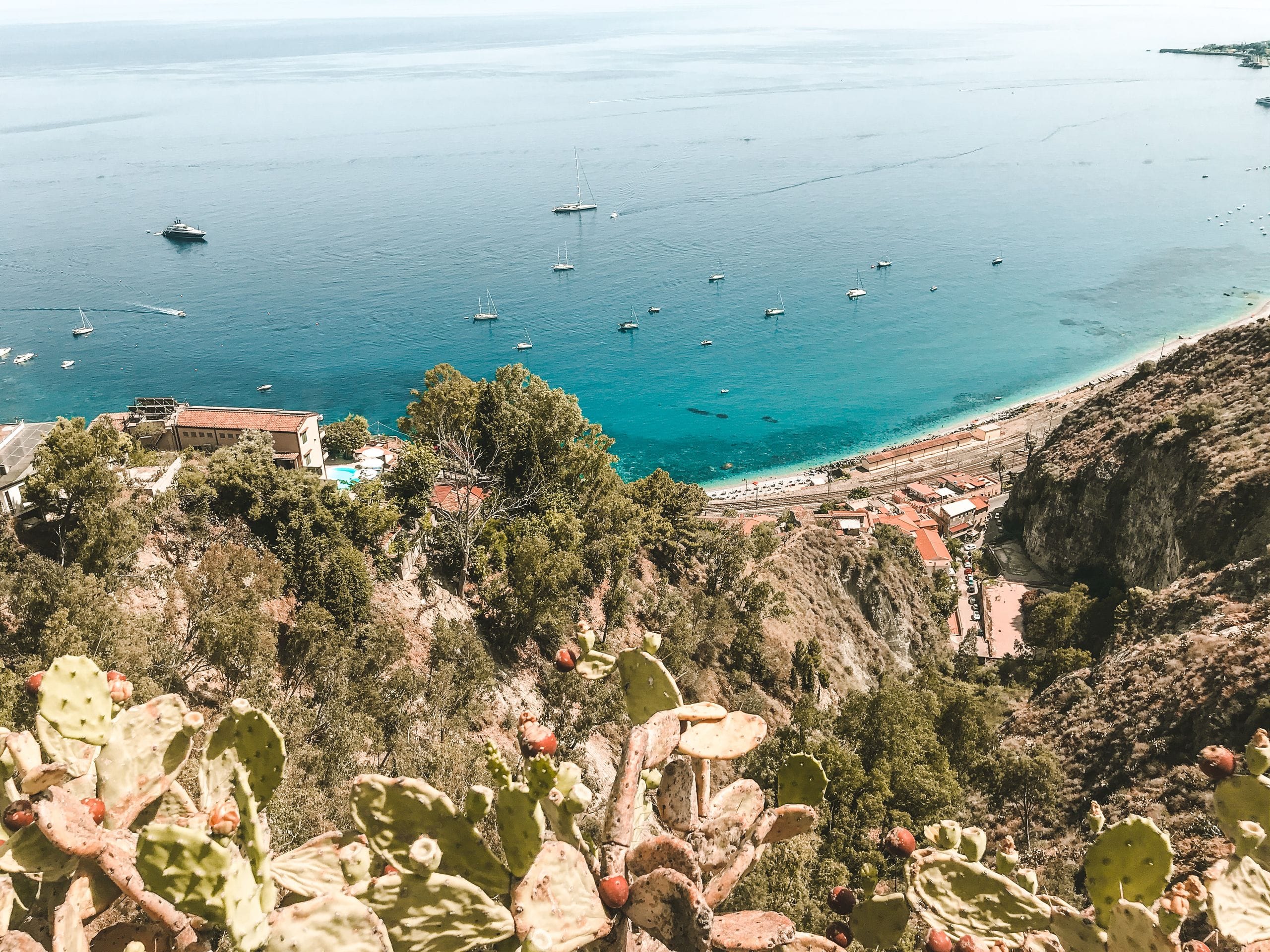
To have seen Italy without having seen Sicily is not to have seen Italy at all, for Sicily is the key to everything.”
Indeed, this powerful quote by Goethe perfectly encapsulates the essence of Sicily, a land brimming with ancient history, breathtaking landscapes, unparalleled cuisine, and a vibrant culture that captivates every traveler.
Yet, as with any popular destination, a common question arises for many prospective visitors: Is Sicily safe to travel to?
Is Sicily Safe in 2026?
So you’re ready to visit Sicily and created the best itinerary to visit the island but you’ve heard all sorts of stories and are asking yourself: “Is Sicily Safe in 2026?”
If you’re asking yourself whether it’s safe to visit Sicily in 2026, then I’ll stop you right there with a resounding, confident YES! Sicily is, by and large, a very safe destination for tourists. We’ve explored every corner of this beautiful island, from its bustling cities to its charming coastal towns and remote mountain villages, and have always felt secure and welcomed. The perception of safety, especially when it comes to places like Sicily, is often skewed by sensationalised media or outdated stereotypes. The truth is, millions of tourists visit Sicily every year without incident, drawn by its magnetic charm and authentic Italian experience. So, rest assured, your dream trip to Sicily can be a worry-free reality. But it is very important that you take some precautions and are aware of some particular quirks of this beautiful island to ensure you have a trip without surprises so go on and check out the following top tips to stay safe in Sicily.
Understanding Sicily’s Safety Landscape
Like any popular tourist destination in the world, Sicily experiences its share of petty crime, particularly in crowded areas. This is no different from Rome, Paris, Barcelona, or any other major European city. The vast majority of visitors encounter no issues whatsoever, and serious violent crime against tourists is extremely rare. Your biggest ‘threat’ will likely be an overzealous street vendor or a slightly chaotic driving experience, not something to genuinely fear. Understanding the common situations where minor issues might arise, and knowing how to prevent them, is key to ensuring a smooth and enjoyable trip. “Is Sicily Safe in 2026?” The answer is: it depends, if you do the following it surely will be a sa
Common Concerns & How to Avoid Them
Let’s tackle the most common concerns head-on, so you can approach your Sicilian adventure with confidence and knowledge:\
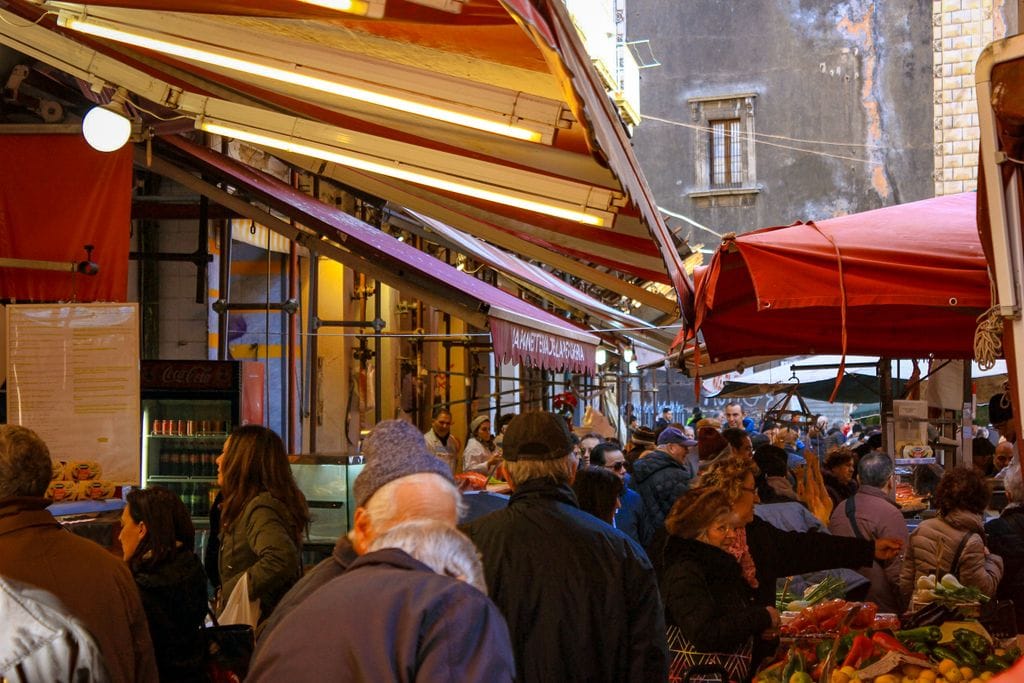
- Pickpocketing and Petty Theft: This is the most common crime tourists might encounter, primarily in busy tourist areas like Palermo’s markets (Ballarò, Vucciria), Catania’s fish market and fera o luni, or crowded public transport. These are opportunistic crimes, not targeted attacks.
- Prevention is Key: Keep your wallet in a front pocket, use an anti-theft bag, or a money belt under your clothes. Avoid flashing large amounts of cash or expensive jewelry.
- Be Aware: Pay attention to your surroundings, especially in crowded places. If someone bumps into you, immediately check your belongings.
- Restaurants & Cafes: Don’t leave your phone or wallet unattended on a table, or hang your bag on the back of a chair where it’s out of sight.
- Tourist Scams You are more likely to encounter scam attempts than petty crime, most scams involve overchanging or taking advantage. Dav worked in a restaurant to pay for his studies in Catania and remembers far too well how if a table asked for their bill, the owner of the restaurant would ask whether the customers had seen the menu and price list, if they hadn’t, he’d get very… creative… with prices and charge 7 Euros for a shot of Limoncello that would normally cost 2 Euros, as well as charging 2x or 3x for every they consumed. Here are a few common locations where scams might occur:
- Taxis: Always agree on a price beforehand or ensure the meter is running. Try to use reputable taxi stands and avoid the sketchy individuals approaching you and saying “Taxi?” at bus and train stations.
- Street Vendors: Be prepared to haggle if buying goods from informal street vendors, but also know that you can simply decline if you’re not interested. Always assume they’ll try to overcharge you, especially if you don’t speak Italian or Sicilian and are visibly a tourist and not a local.
- Fake Goods: Like many places in Italy, you might see vendors selling counterfeit designer goods. It’s best to avoid these, as purchasing them can sometimes lead to issues, though typically it’s just a poor-quality product. Catania and Palermo market and touristy alleys are full of stand selling fake Nike, Louis Vuitton, Gucci clothing items. They are terrible quality so we’d recommend shopping in a local souvenir shop, better if a handmade local artisan, it’s the best way to get a souvenir that is truly unique and support a local business.
Stay Safe when Driving in Sicily
Driving in Sicily can be an adventure, to say the least! Sicilian drivers are known for being… assertive, and traffic rules can sometimes seem more like suggestions. “Is Sicily safe in 2026?” Deciding to drive will definitely influence the answer to the question, good news is… if you follow our advice you’ll be totally fine and enjoy a safe, epic Sicilian, road trip.
Main safety concerns when driving in Sicily stem from the tendency of Sicilian drivers to cut you off without using indicators, and not being orderly in traffic. Expect them to pop out of nowhere, cut you off or get into an intersection without right of way and most importantly, be extremely mindful of people on mopeds and motorbikes, as they are very likely to pass you from the right side and risk a collision. A common scam when driving is the “rear window scam”: A driver with a loose rear window might hit your rental car on purpose, and their rear view mirror (usually the one on the driver side) would drop. They would then very aggressively blame you for damaging their car and pressure you to give them cash to make the problem go away. DON’T GIVE IN. Start filming if possible and say you’d rather have the police involved and call them right away, the scammer will most likely get away.
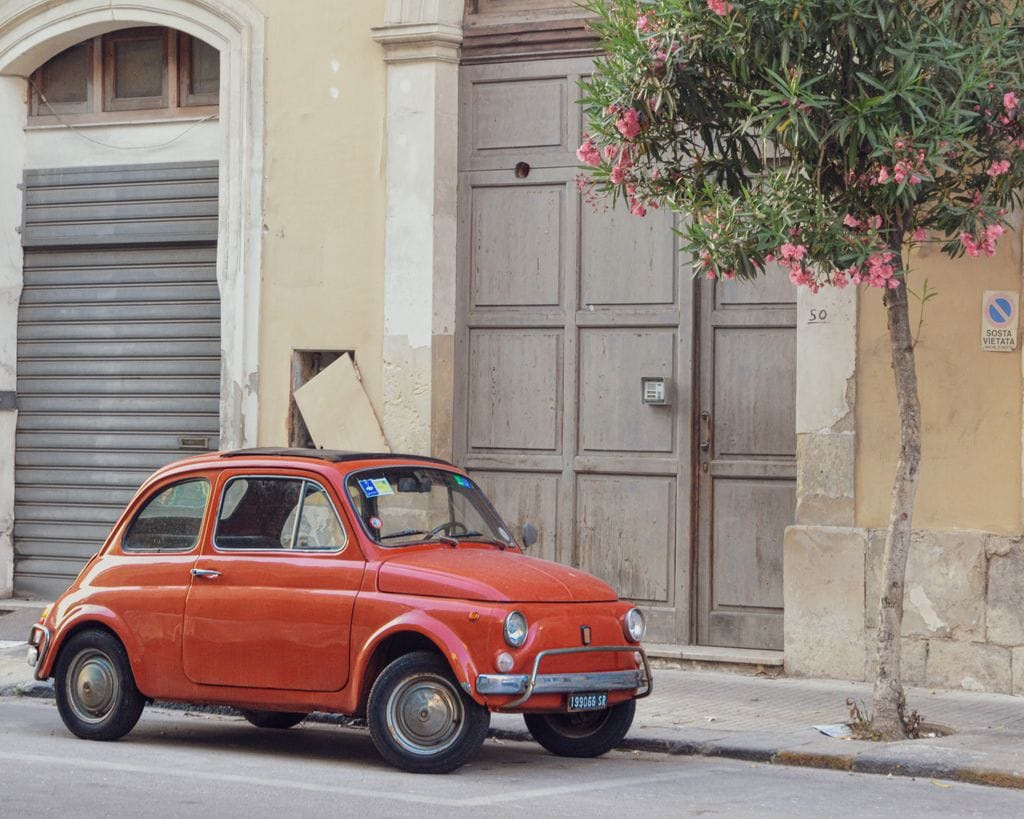
Parking: Finding parking can be challenging, especially in busy town centers and tourist hotspots. Look for blue lines (paid parking) and white lines (free parking, often residential). Avoid yellow lines (reserved parking). Unfortunately there’s a widespread phenomenon when it comes to parking and scams you need to be aware of: “Parcheggiatori abusivi” or illegal parking attendants. These are people who would offer you to help you park a car and find a spot for you. You will recognise them because they will approach you around busy parking areas and gesture you to follow their lead to get into a parking spot. These people will then ask you for some change (usually 2 to 3 euros) in exchange for “looking after your car”. They would do that even if you are parking in a public spot (white lines) and you have a right to leave your car there free of charge. If you don’t pay they’d get angry, threaten you and might damage your car.
Unattended luggage inside cars: avoid at all costs to leave your luggage and bags inside a car, especially if they are visible from the outside and if your rental car has a rental company sticker, that is a dead giveaway that the car belongs to a tourist and thieves might be tempted to break a window to take bags if they think there are some in there. To avoid further damage, make sure the trunk is visibly empty and that a potential thief would be able to see there’s nothing to steal inside. Also, try to use paid and surveilled parking when available to avoid bad surprises.
Car Rental Scams: This is another big one, when dealing with local car rental companies make sure you take a detailed video and photos of every scratch and dent the car has before renting it. Or they might try to blame you for pre-existing damage to the car and keep the deposit. Also make sure you return the car with the fuel tank filled up and take a photo of the fuel gauge showing it’s full. There have been cases of rental companies charging people falsely claiming the car wasn’t returned with enough fuel. Try to stick to rental companies that have good reviews online and prefer having extra insurance always.
Car Theft: Whilst uncommon, you should know that car thieves prefer to target cars that are very common and widespread in Italy, the easiest target are Fiat Pandas and Fiat 500, since these are 2 of the most common cars in Italy, they are more likely to be stolen as there’s more demand for spare parts.
Mafia in Sicily
Perhaps the most persistent and damaging stereotype about Sicily is its association with the Mafia (Cosa Nostra). For tourists, this is practically a non-issue. The Mafia’s activities are largely confined to organized crime, business dealings, and political influence, and they do not target tourists. You will not encounter anything related to this in your daily travels, nor will you be at risk. This is not to say the Mafia doesn’t exist, but it’s certainly not a threat to your personal safety as a visitor. Locals are often quite sensitive about this topic, so avoid casual jokes or inquiries about it. Whenever Dav says he’s Sicilian, tourists and people from abroad always throw a mafia joke or stereotype, although done with good intention, it’s not very well received. Sicilians hate mafia and wish this plague didn’t exist. As a tourist, we recommend you check out Addiopizzo website (https://addiopizzo.org). It has an interactive map of businesses that refuse to pay Mafia protection, it would be fantastic if you could support these businesses and buy souvenirs and meals from them, knowing your money isn’t indirectly supporting organised crime.
Nightlife and Personal Safety
Sicilian cities, like Palermo and Catania, come alive at night with lively piazzas, buzzing bars, and excellent restaurants. Generally, enjoying the nightlife is very safe. But we’re happy to share a few extra tips:
Stay Aware: As anywhere, be mindful of your drink, avoid walking alone in deserted or poorly lit areas late at night, and always use reputable taxis or pre-booked transport.
Group Travel: If you’re traveling with friends, stick together, especially after dark.
Alcohol Consumption: Drink responsibly. Excessive alcohol consumption can impair judgment and make you a more vulnerable target.
Unattended jackets and bags in bars and clubs: Don’t leave your jacket, coat or bag unattended in bars, lounges or clubs. It is common for thieves to hang out in nightlife hotspot and just take jackets and bags that are left unattended.
Safety on the Beach
If you are travelling in a group of couple and hit the beach, it is always best to have at least one person staying with your bags and belongings at all times. This is particularly common when tourists go swimming and leave their bag behind on the sand. If you are travelling solo, look for a trustworthy local and ask them to keep an eye on your bag while you are out swimming. It’s very common and they’ll be happy to help.
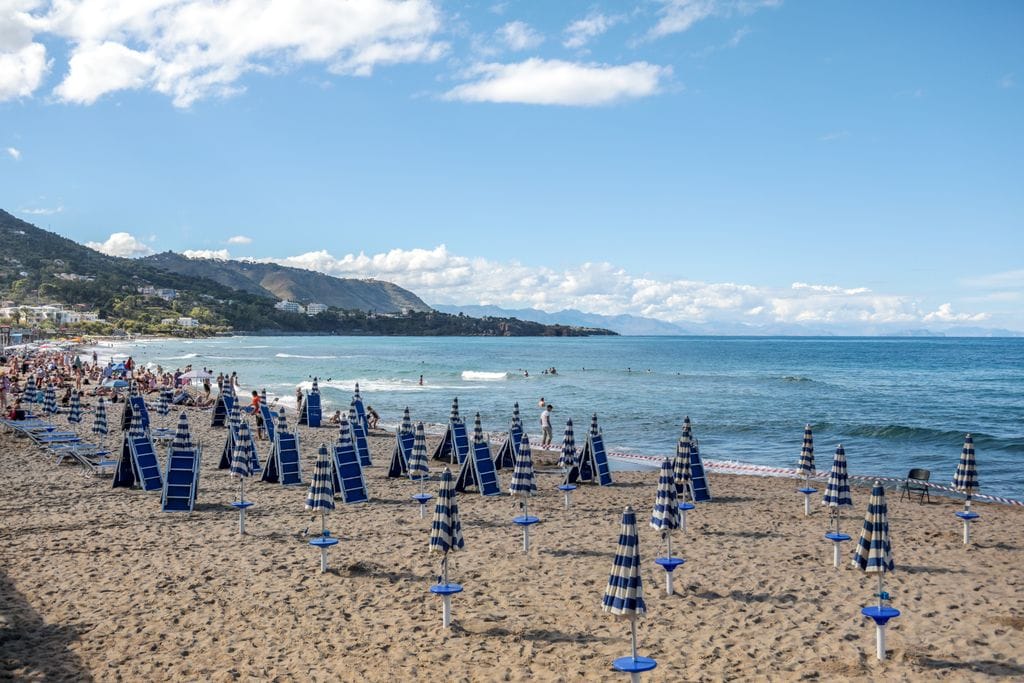
When going swimming always check current and sea safety, in Italy there usually are flags signalling how safe is to swim:
White flag: no currents, no waves, very safe
Yellow flag: Some current and waves, it is recommended to pay attention
Red flag: strong currents and waves, swimming is not recommended.
Check out the best beaches in Southern Sicily here: Best beaches near Modica, Sicily
Local Advice for a Safe Trip
Beyond specific concerns, here are general tips that will enhance your safety and overall experience in Sicily:
Blend In: While you don’t need to dress like a local, avoid overly flashy clothing or accessories that might draw unwanted attention. Modest dress is also respectful when visiting churches or religious sites.
Learn Basic Italian Phrases: A simple ‘Buongiorno’ (good morning), ‘Grazie’ (thank you), and ‘Per favore’ (please) goes a long way. Showing respect for the local language and culture is always appreciated and can help in interactions.
Trust Your Gut: If a situation or person feels off, remove yourself from it. Your intuition is a powerful safety tool.
Stay Informed: Keep an eye on local news (via your accommodation) for any specific events or advisories in the area you are visiting. A thing we often recommend doing is searching Google News for the street name when choosing an accommodation to see if it’s a spot where crime happens often. If you see there are many articles with accounts of crime, choose a different spot (you can translate articles on your browser or using Google URL translate)
Prefer street smart bags: Consider using a cross-body bag or a backpack with multiple zippers. We also recommend, keeping your wallet in the front pocket and wearing your backpack at the front if it contains valuables.
Keep Valuables Secure in Accommodation: Use your hotel safe for passports, extra cash, and valuable electronics you don’t need to carry daily.\n\nEmergency Contacts & What to Do\nKnowing these numbers is vital, though hopefully, you won’t need them! 112 (European Emergency Number): This is the main emergency number in Italy for all services (police, ambulance, fire). Operators can usually assist in English. 911 works too.
Lost/Stolen Items: Report any theft to the local police (Carabinieri or Polizia di Stato) immediately. You’ll need a police report for insurance claims. But don’t have too many hopes of them being recovered, you’ll probably have to queue a lot in the police station to make a claim and police will be unlikely to investigate, especially if the value of stolen goods don’t amount to several thousands of Euros.
Medical Emergencies: Pharmacies (farmacia) are plentiful and can offer advice for minor ailments. For more serious issues, head to a Pronto Soccorso (emergency room) at a local hospital.Consular Assistance: If you lose your passport or face serious trouble, contact your country’s embassy or consulate in Italy (typically located in Rome or Milan, but they can still provide assistance remotely or direct you to honorary consulates in Sicily).
Exploring Beyond the Tourist Hubs Safely
One of the greatest joys of Sicily is venturing off the well-trodden path. Rural areas and smaller towns are generally extremely safe, often even more so than the larger cities, due to strong community ties. However we still recommend you do some research beforehand about local customs or any specific considerations when heading to off the beaten path and remote areas.
Get Extra Tips
Watch the video below “Is sicily safe in 2026?” for more tips on how to stay safe in this beautiful island!